

From the neon-lit streets of New York in 2013 to a digital multiverse that reimagines reality itself, this documentary traces how one superhero franchise has reshaped cinema history through every technological and creative wave.
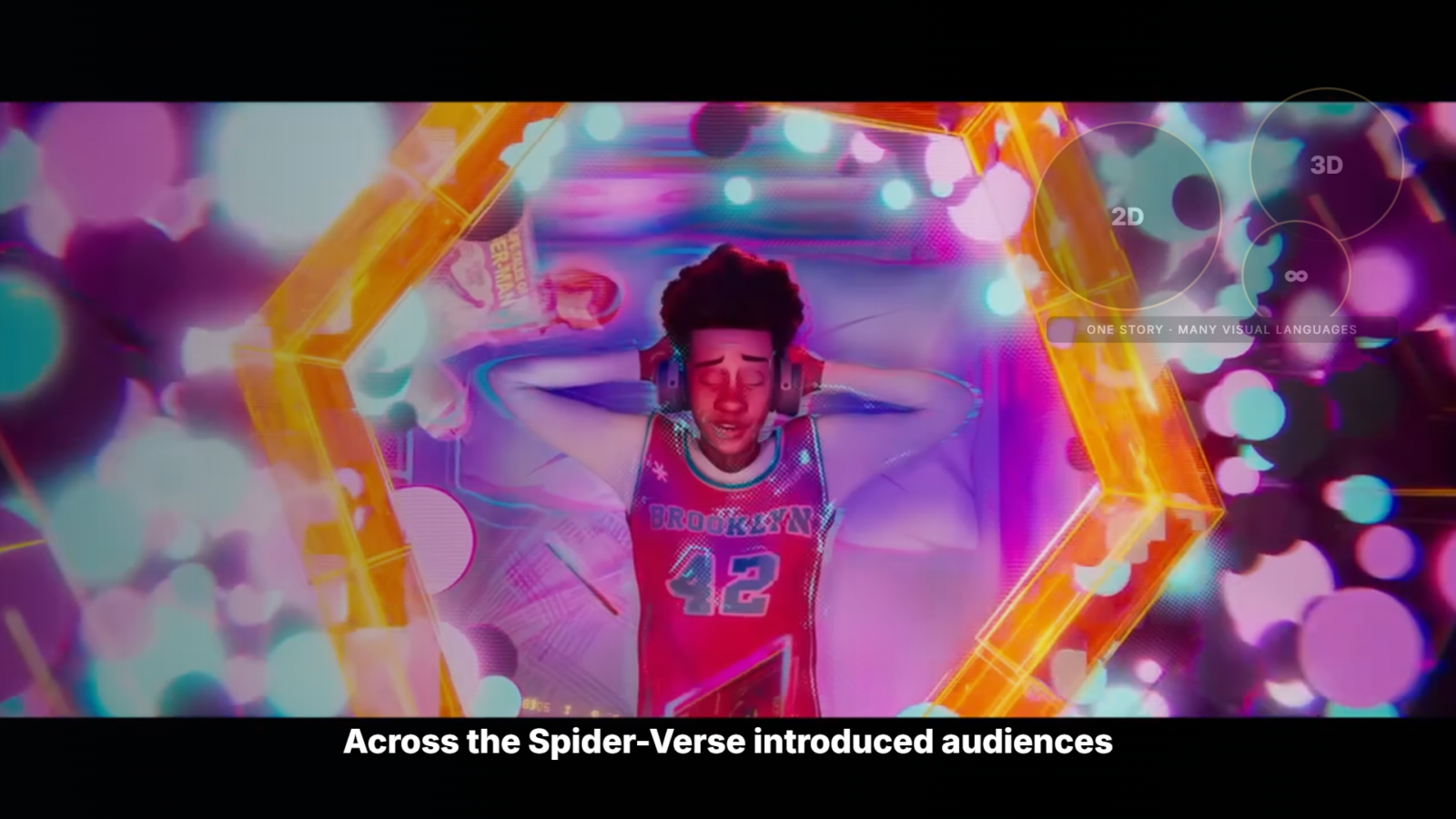
The story begins not with a hero's origin tale, but with the shadow cast by global uncertainty. As major studios faced unprecedented challenges in 2020-2021, the legacy of Peter Parker was tested more severely than ever before. This narrative explores how Spider-Man evolved from a mainstream blockbuster into an experimental force for cinema history, navigating blockbusters on pause and finding new life through streaming platforms.
The Era of Blockbuster Uncertainty
In the wake of global health crises, major film productions faced unprecedented pauses. While other franchises like The Batman struggled to find footing or Disney's live-action remakes were halted, Spider-Man remained a beacon of hope for audiences seeking continuity in an uncertain world.
Benedict Cumberbatch's Return to Marvel
A pivotal moment in this evolution was the announcement that Benedict Cumberbatch would reprise his role as Doctor Strange for a third installment. This decision signaled a shift toward casting veteran actors who could bridge gaps between eras, adding depth and continuity to the franchise.
The Digital Multiverse Revolution
Perhaps the most significant shift in this timeline was not just a new movie, but an entire genre. The release of 'Spider-Man: Across the Spider-Verse' introduced audiences to a digital multiverse that reimagined reality itself through vibrant animation and groundbreaking visual effects.
From STARZ to Streaming Giants
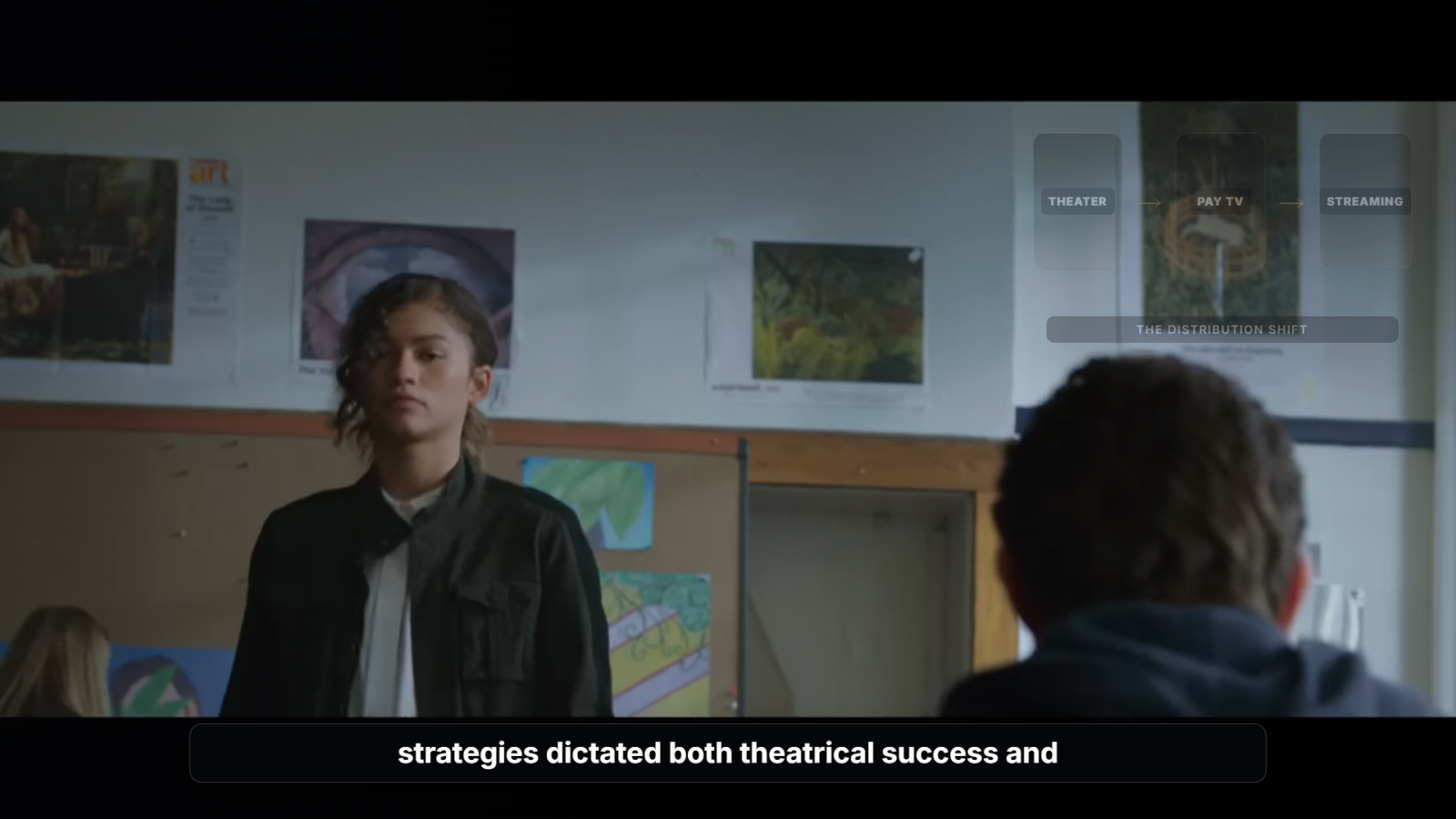
Cinema history took another turn as pay-per-view channels like STARZ began exclusively featuring Spider-Man titles in 2013, while later years saw the franchise's dominance on streaming platforms. This evolution reflects a broader industry shift where IP rights and licensing strategies dictated both theatrical success and global distribution.
The Box Office Phenomenon of No Way Home
As 'Spider-Man: No Way Home' approached its release, it was poised to become the first pandemic-era movie to cross $100 million in its debut. This financial milestone underscored the enduring global appeal of the character and demonstrated how a superhero franchise could sustain massive box office returns even during challenging economic times.
What this evolution tells us about cinema
From the neon-soaked streets of 2013 to a digital reality that challenges our understanding of existence, Spider-Man has proven itself as more than just an action hero. It is a testament to cinema's ability to evolve with technology and culture, proving that even in times of uncertainty, stories find their way back home.

Visual media credits
- SPIDER-MAN [2002] – Official Trailer (HD) by Sony Pictures Entertainment (undefined)
- THE AMAZING SPIDER-MAN 3D – Official Trailer by Sony Pictures Entertainment (undefined)
- SPIDER-MAN: HOMECOMING – Official Trailer (HD) by Sony Pictures Entertainment (undefined)
- SPIDER-MAN: FAR FROM HOME – Official Trailer by Sony Pictures Entertainment (undefined)
- SPIDER-MAN: NO WAY HOME – Official Trailer (HD) by Sony Pictures Entertainment (undefined)
- SPIDER-MAN: NO WAY HOME – Now Available on Digital! by Sony Pics at Home Canada (undefined)
- SPIDER-MAN: INTO THE SPIDER-VERSE – Official Trailer (HD) by Sony Pictures Entertainment (undefined)
- SPIDER-MAN: ACROSS THE SPIDER-VERSE – Official Trailer (HD) by Sony Pictures Entertainment (undefined)
- THE BATMAN – Main Trailer by Warner Bros. (undefined)
- Disney's Mulan | Official Trailer by Disney (undefined)
Sources and further reading
- Spider-Man: Brand New Day — Wikipedia
- List of Marvel Cinematic Universe films — Wikipedia
- Andrew Garfield — Wikipedia
- Multiverse (Marvel Cinematic Universe) — Wikipedia
- Marvel Cinematic Universe — Wikipedia
- Spider-Man in film — Wikipedia
- Spider-Man 2 — Wikipedia
- Spider-Man: Far From Home — Wikipedia
- Spider-Man (2002 film) — Wikipedia
- Spider-Man 3 — Wikipedia
- The Amazing Spider-Man (film) — Wikipedia
- Spider-Man: Beyond the Spider-Verse — Wikipedia
- Peter Parker (The Amazing Spider-Man film series) — Wikipedia
- The Amazing Spider-Man 2 — Wikipedia
- Peter Parker (2002 film series character) — Wikipedia
- Spider-Man Hopefuls Screen-Test in Atlanta as Marvel Decision Nears (Exclusive) — Hollywoodreporter
- Sony, Marvel to Split on Future ‘Spider-Man’ Releases — Hollywoodreporter
- Disney-Sony Standoff Ends Marvel Studios & Kevin Feige’s Involvement In ‘Spider-Man’ — Deadline
- Next Post-‘Spider-Man’ Skirmish For Sony & Disney: A Tug Of War Over ‘Spider-Man’ Helmer Jon Watts? — Deadline
- Untangling the Web — Latimes