

Sophie Marceau became a star in France while still a teenager and then accomplished something that many European actors never do: she remained a major domestic star while also building a recognizable international career.
Sophie Marceau: The Road to Recognition
Born Sophie Maupu in Paris in 1966, she made her breakthrough in La Boum in 1980. La Boum 2 followed, and Marceau received the César Award for Most Promising Actress. French films such as L’Étudiante and Fanfan strengthened her European popularity before Hollywood audiences discovered her on a much larger scale.
The period that shaped Sophie Marceau’s reputation matters as much as the individual credits. Movie stardom is always tied to a particular moment: the genres audiences were buying tickets for, the directors who were defining the look of the era, and the way performers moved between cinema, television and international productions. Looking at the career in that context makes it easier to understand why certain performances have survived while others became discoveries for collectors and cult-film fans years later.
Five Places to Start
If you are discovering Sophie Marceau for the first time, these titles and career landmarks provide a useful starting point:
- La Boum
- La Boum 2
- Fanfan
- Braveheart
- The World Is Not Enough
A good retrospective does not need to rank every credit. Start with La Boum to understand the image most strongly associated with Sophie Marceau, then move to La Boum 2 for a different stage or tone. Finally, look at The World Is Not Enough as part of the wider career story. That three-step approach makes the changes in performance style, screen persona and choice of material much easier to notice.
Why the Work Still Matters
Braveheart introduced Marceau to millions of English-speaking moviegoers in 1995. She later appeared in Anna Karenina and played Elektra King in the James Bond film The World Is Not Enough. Elektra remains memorable because the character was more complicated than a conventional Bond love interest.
There is also a reason classic celebrity features continue attracting readers years after a movie leaves theaters. A strong film performance becomes part of a larger cultural memory: posters, television reruns, streaming recommendations, physical-media restorations, interviews and fan-made retrospectives all keep introducing old work to new viewers. In many cases the audience discovering an actor today is encountering the films in a completely different order from the audience that saw them on release.
What to Watch For When Revisiting the Films
When revisiting Sophie Marceau’s work, pay attention to more than plot. Notice how the camera uses the performer, how much of the character is communicated without dialogue, and whether the role depends on comedy, physical presence, vulnerability or control. Those details often explain why one performance becomes iconic while another, sometimes equally good, is forgotten. They also make older movies more interesting than simply treating them as nostalgia.
Another useful approach is to compare one widely known title with a lesser-known credit. The famous film shows what the public image became; the less familiar one often reveals greater range. That contrast is especially valuable with performers whose careers crossed genres, countries or different phases of the entertainment industry.
Watch the CelebritiesTeam Feature
The video below is part of the CelebritiesTeam archive and provides a visual companion to this TeamMovies retrospective. It is a useful way to see the screen presence, period imagery and career moments discussed above before choosing a full movie to revisit.
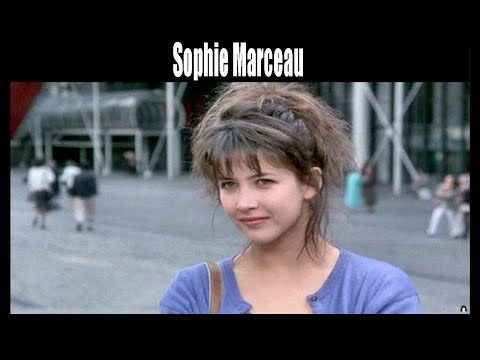
Sophie Marceau’s Lasting Appeal
Marceau’s strongest legacy is the way she maintained a French identity even after international success. She continued working extensively in European cinema rather than treating Hollywood as the only measure of achievement. That balance explains why different audiences remember her for completely different films.
For TeamMovies readers, the best next step is simple: revisit one of the key titles above, then compare it with a performance from a different stage of the career. That contrast often reveals more than rankings alone can show. It also explains why established stars continue to find new audiences through streaming, restorations, YouTube retrospectives and classic-movie communities.
Why This Celebrity Feature Belongs in the TeamMovies Archive
TeamMovies covers current entertainment every day, but permanent retrospectives serve a different purpose. They create a searchable archive that does not expire with the news cycle. A reader who discovers Sophie Marceau next month or five years from now can still use this page as a starting point, move into related Celebrity Features, watch the connected CelebritiesTeam video and continue exploring the films. That long shelf life is what makes evergreen celebrity coverage valuable.
Which Sophie Marceau performance would you recommend first? Share your favorite and keep exploring TeamMovies’ Celebrity Features for more career retrospectives, classic stars and forgotten gems.