

In the summer of 1963, a single issue of comic book could change the trajectory of Hollywood forever.
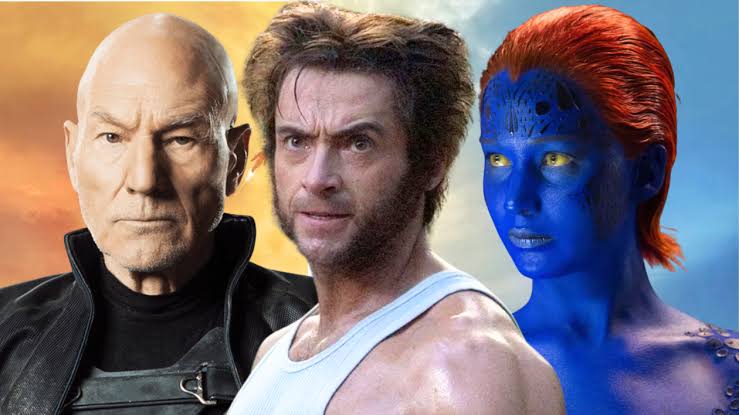
The story behind the X-Men is not merely about superheroes; it is a profound exploration of how an outcast group found their voice and reshaped cinema. From the gritty origins in New York to the global phenomenon that defined modern superhero culture, this journey reveals the creative gambles made by Stan Lee, Jack Kirby, and countless others who dared to tell stories forbidden by mainstream audiences.
Origins: The Birth of the X-Men
The genesis of the franchise began in a cramped New York apartment where Stan Lee and Jack Kirby were sketching ideas that would eventually become one of the most influential comic book series ever created. In this era, they envisioned characters who could not fit into traditional superhero tropes because their powers came from within.
Comic Struggles and Revival

Despite their initial success, the original run faced cancellation due to changing market trends. However, a new era began in 1975 when Chris Claremont took over as writer, bringing fresh energy and expanding the universe with complex relationships between mutants.
The Animated Breakthrough
While comics continued to evolve, a new medium emerged that allowed for visual storytelling on an unprecedented scale. The animated series in the late 1980s and early 1990s brought mutants into living rooms worldwide, creating a dedicated fanbase before the first live-action film.
The 2000 Film: A Gamble That Paid Off
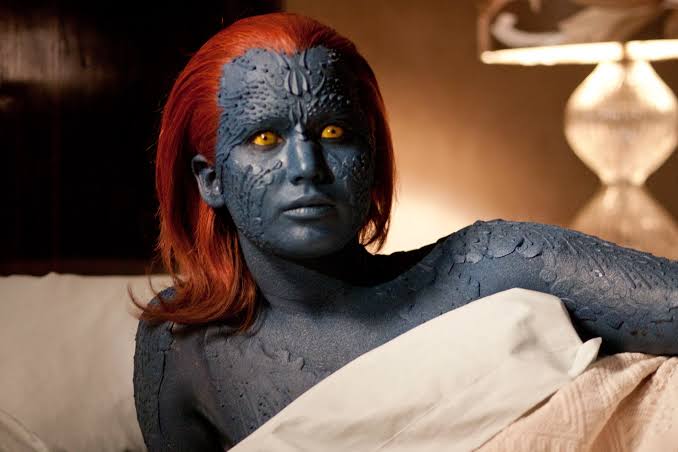
In July 1996, a major studio made an unprecedented financial risk by producing ‘X-Men’ with a budget that dwarfed previous superhero films. The result was the second-biggest opening in history at the time, proving that audiences were ready for stories about mutants.
Sequels and Director Changes
The franchise faced significant challenges as sequels were produced, often with mixed critical reception. Notably, the director of ‘X-Men: The Last Stand’ was replaced by Brett Ratner after Matthew Vaughn departed, signaling a shift in how directors approached complex narratives.

Controversies and Criticisms
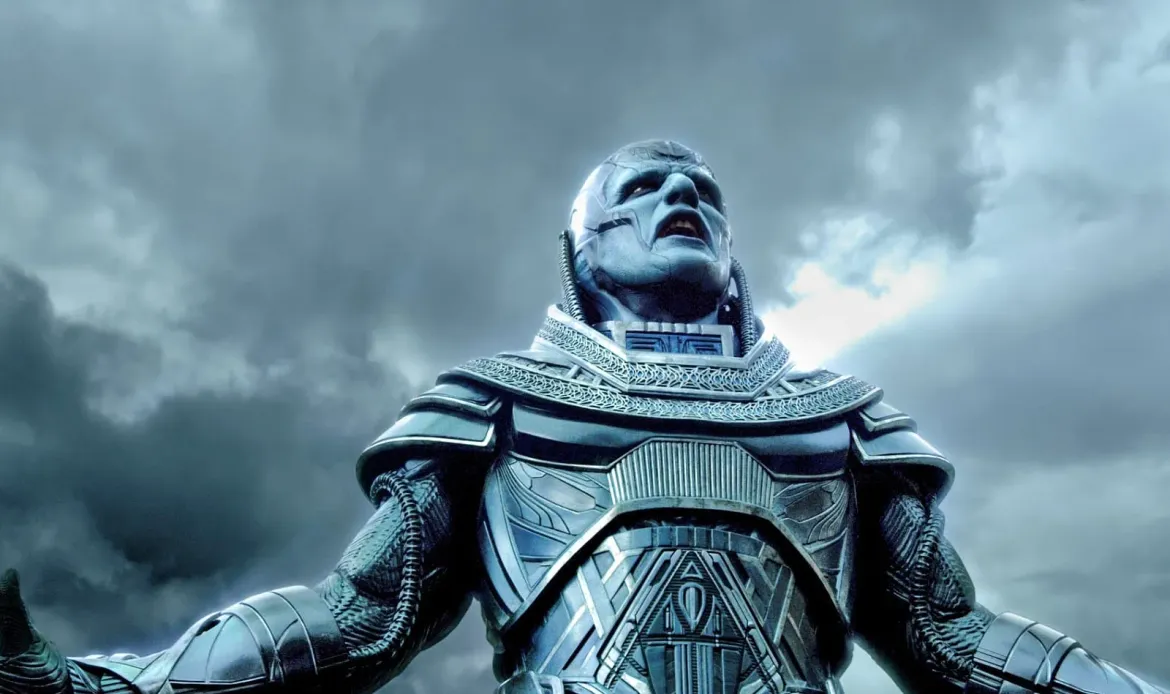
The franchise’s legacy is complicated by controversies, including a controversial poster for ‘X-Men: Apocalypse’ that depicted Mystique being strangled. This image sparked intense backlash from critics who felt it was offensive to the character.
Legacy and Revival
Decades later, the X-Men franchise has seen a remarkable revival with ‘X-Men’ (2018), which brought back beloved characters to audiences who had not watched them in years. This marks another chapter in the ongoing story of how these stories continue to resonate.
What this evolution tells us about cinema
From a cancelled comic book to a multi-billion-dollar franchise that defined modern cinema, the X-Men story is one of resilience and reinvention. As we look back at these decades, it becomes clear that the true power lies not just in the characters themselves, but in the stories they tell about being different.
Visual media credits
- X-Men: Apocalypse | Official Trailer [HD] | 20th Century FOX by 20th Century Studios (undefined)
- X-Men Orgins: Wolverine Trailer “Witness the Origin” | Trailer | 20th Century FOX by 20th Century Studios (undefined)
- X-Men: The last Stand (2006) Official Trailer. || 20th Century FOX || Marvel Studios India Hindi. by Marvel Studios India Hindi (undefined)
- X-MEN: DAYS OF FUTURE PAST – Official Trailer (2014) by X-Men Movies (undefined)
Sources and further reading
- X-Men (film) — Wikipedia
- X-Men (film series) — Wikipedia
- Dark Phoenix (film) — Wikipedia
- X-Men ’97 — Wikipedia
- X-Men: Apocalypse — Wikipedia
- Jackie Chan filmography — Wikipedia
- X-Men: First Class — Wikipedia
- X-Men — Wikipedia
- X-Men: The Animated Series — Wikipedia
- X-Men: The Last Stand — Wikipedia
- ‘X’-Movie Chief Mechanic a Marvel for Fox — Latimes
- Gen-‘X’ — Latimes
- New master for mutants — Variety
- X-traordinary bow — Variety
- Rose McGowan criticises violent X-Men poster as — Theguardian
- Fox apologises for X-Men billboards showing Jennifer Lawrence being strangled — Theguardian
- AFI|Catalog — Afi
- X-Men: Days of Future Past — Wikipedia
- Bryan Singer’s Traumatic ‘X-Men’ Set: The Movie “Created a Monster” — Hollywoodreporter
- Fox Mints ‘The New Mutants’ X-Men Spinoff; ‘The Fault In Our Stars’ Helmer Josh Boone To Direct — Deadline